Our signature

While some engagements only call for a few adjustments to a process that is already clear and effective, RDVCB’s signature lies without a doubt in its ability to structure an entire department, with growth in mind, from day one.

What we structure

The RDVCB method in four steps

01Define your sales reality and where it can improve

We map your sales cycle as it is actually practised, stage by stage. That shared picture shows where opportunities are lost, what already works and where it is worth starting in order to get the most satisfying results.

Learn more
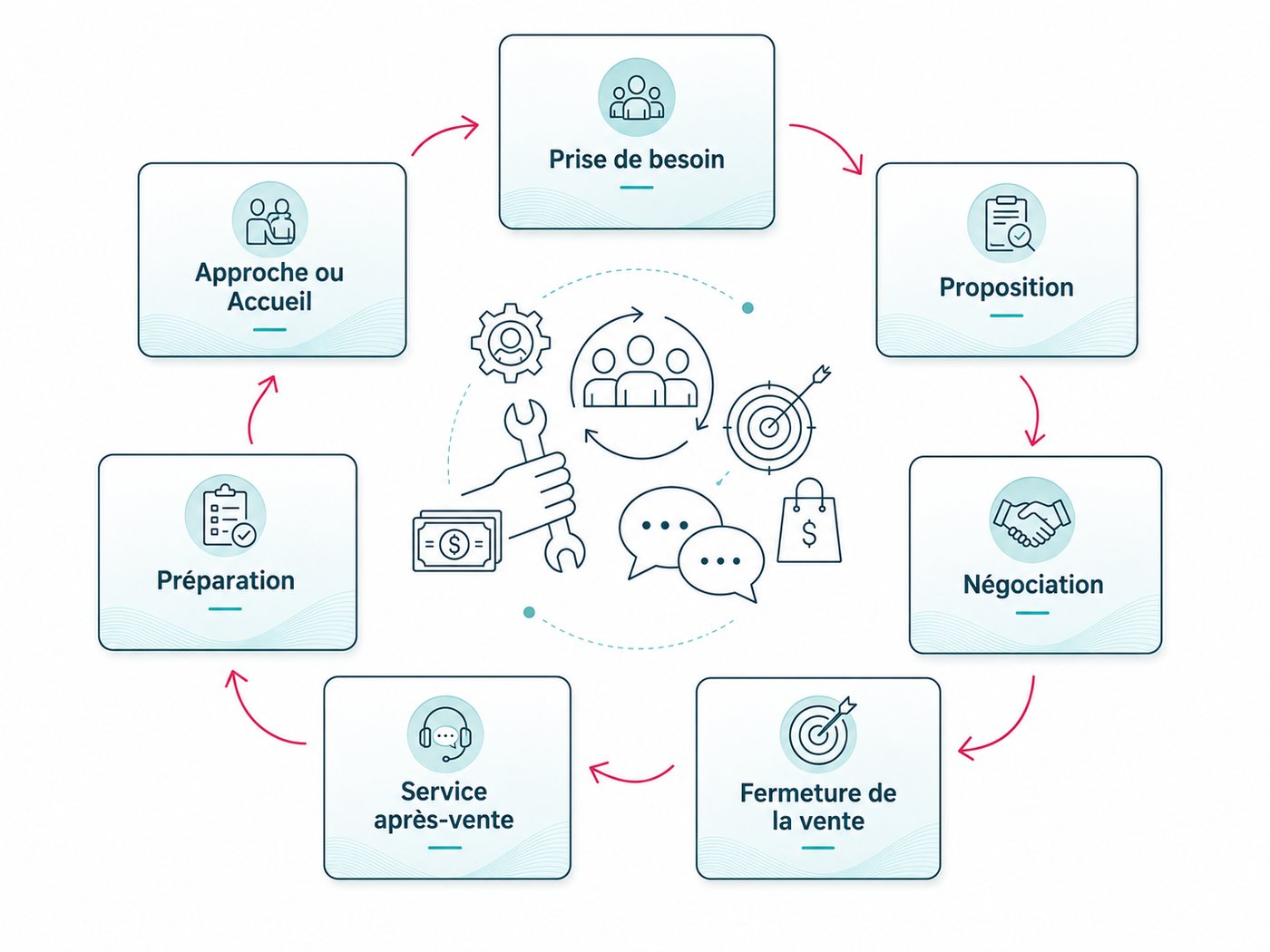
Seven-stage sales cycle: preparation, approach, needs discovery, proposal, negotiation, closing, after-sales service

02Set the sales targets and validate the indicators

We translate your growth ambition into figures you can defend, then validate together the indicators that will measure the project: conversion rate per stage, cycle length, required activity volume, pipeline coverage. Those are what will tell you whether it is working.

Learn more
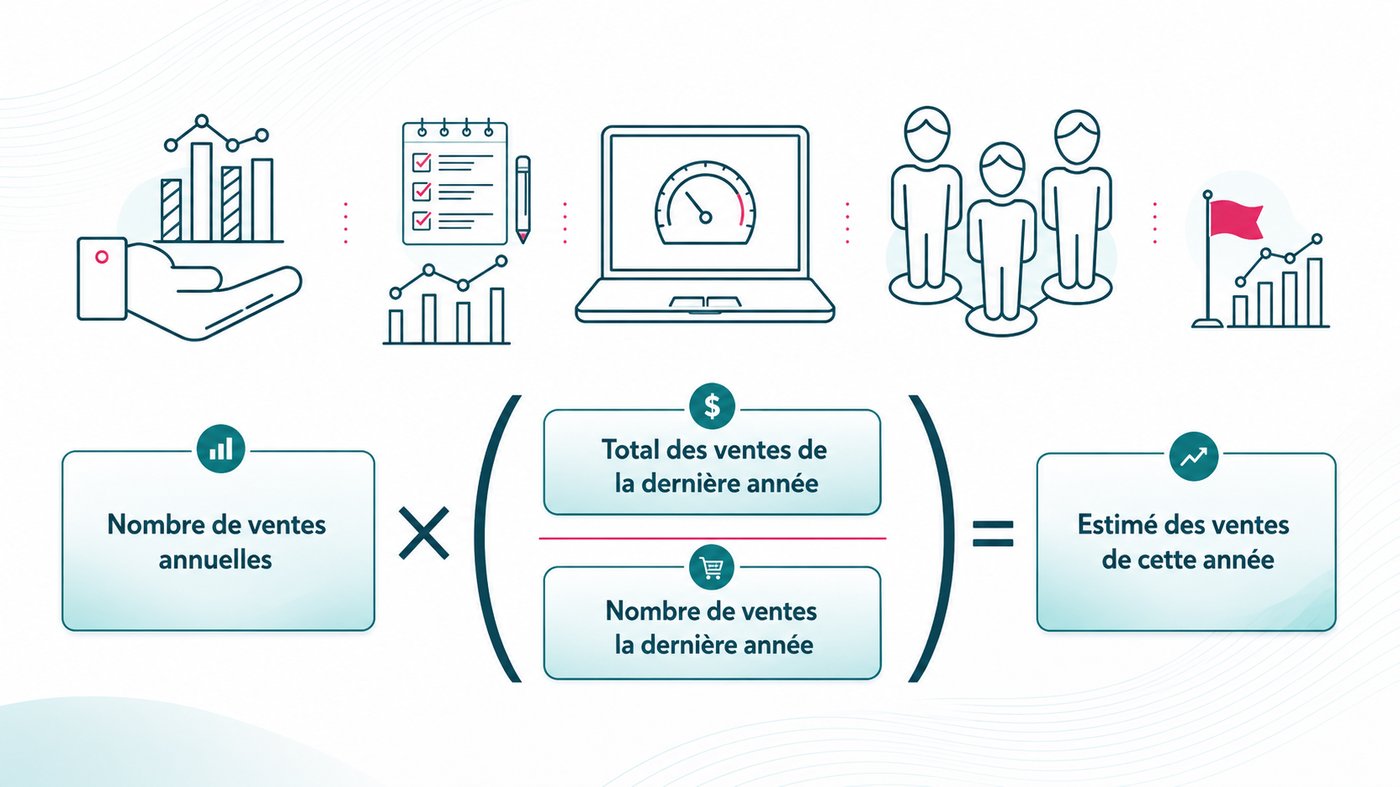
Sales forecasting formula: annual number of sales multiplied by average deal value

03Put the tools in place

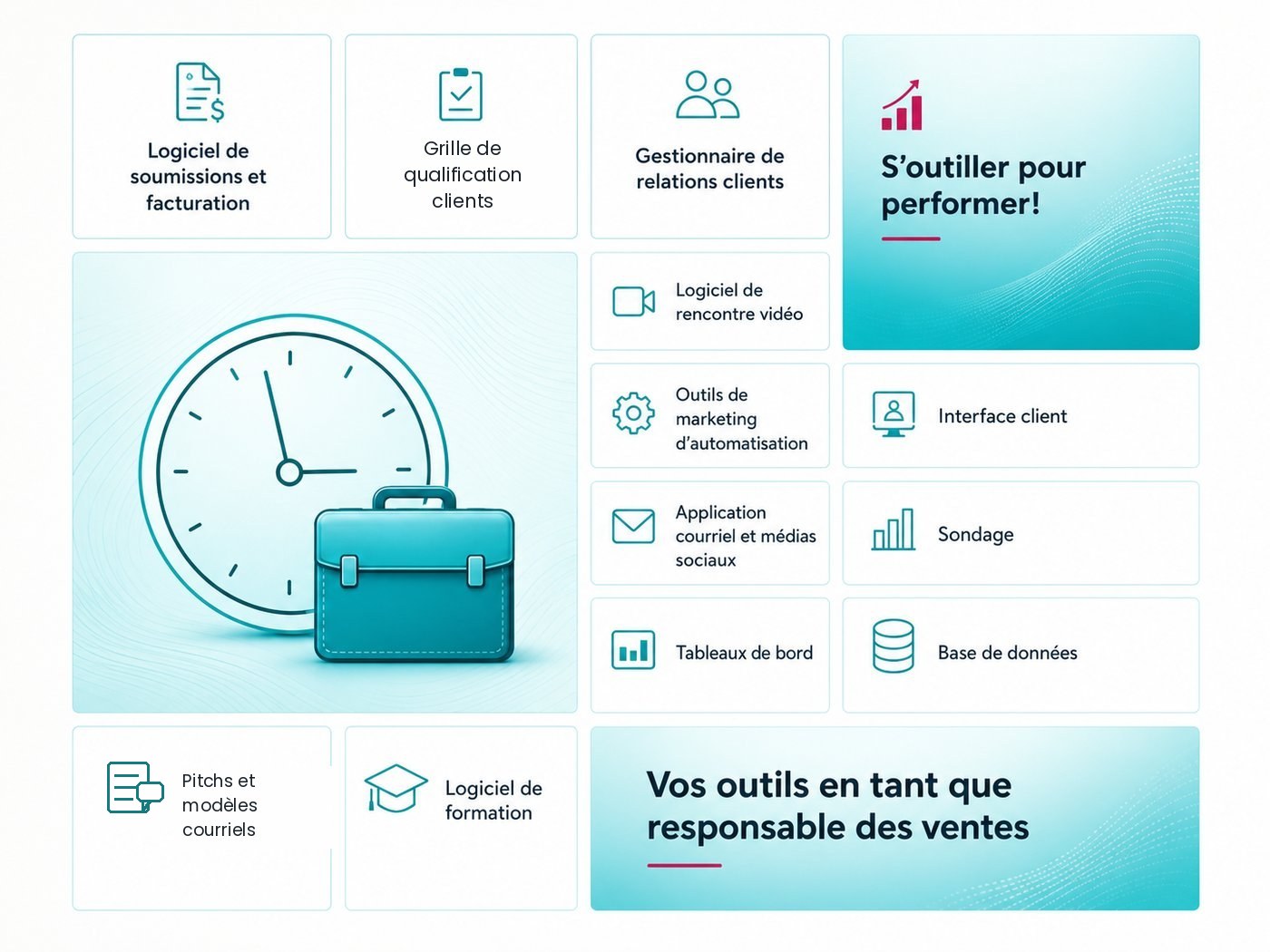
With the reality understood and the targets set, we build or adjust the tools that support the daily work: CRM, templates, messaging, dashboards, follow-ups.

Learn more
Overview of sales leader tools: quoting and invoicing, client qualification framework, CRM, dashboards, pitches and email templates

04Grow the team’s skills

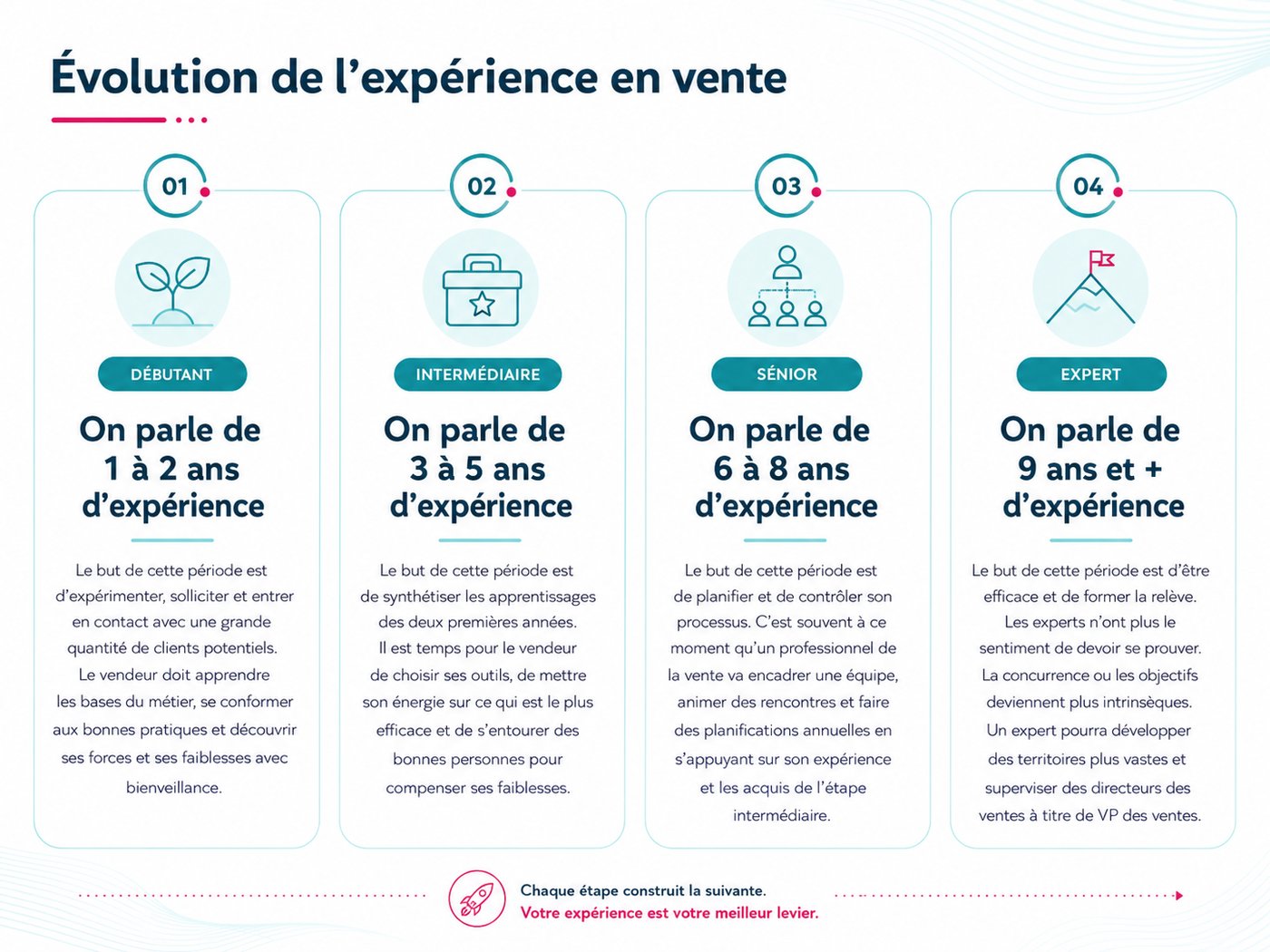
We train and coach your salespeople on the tools we built, at each person’s actual level, from beginner to expert. A structure the team masters and genuinely uses is a structure that lasts.

Learn more
Sales experience progression: beginner, intermediate, senior, expert

Request a call

Questions about the method


How does an RDVCB engagement start?

It all starts with an initial discovery meeting. That lets us determine whether the issue is a one-off — a training need, or workshops on best practices for software and AI tools — or whether it is structural and calls for a multi-step engagement.

Do you need to change CRM to structure your sales?

Rarely. In most engagements the existing CRM is good enough: the problem is its configuration and its adoption. We recommend switching tools only when the limitation is genuinely technical.

How is the success of an engagement measured?

Through indicators agreed on up front: conversion rate per stage, sales cycle length, forecast-to-actual variance, average deal value, and tool adoption across the team.

Do you work with the sales reps or only with leadership?

Both. A structure imposed without the reps does not survive, and a process adopted by reps without management support erodes. Engagements therefore include team workshops and manager coaching.